Section 115F: Unlocking Tax Benefits for NRIs in India
Read More
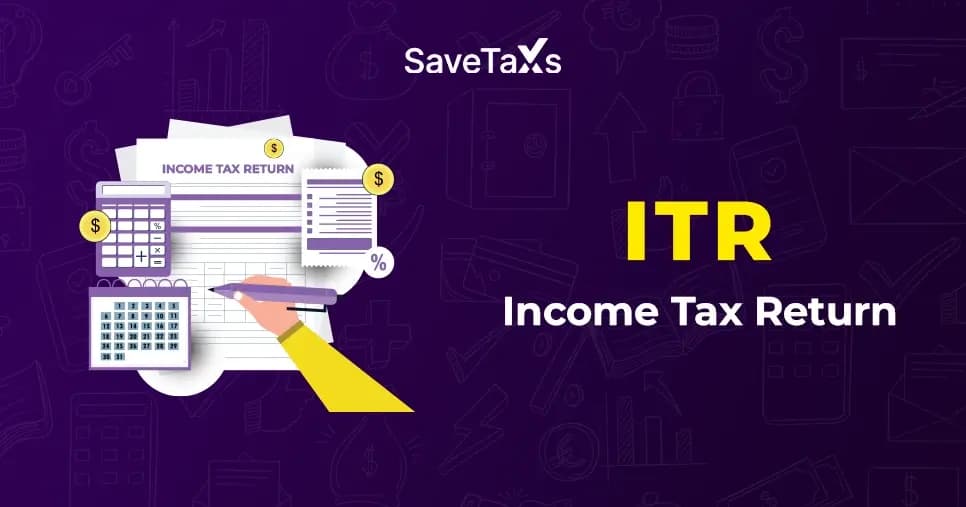
Every financial year, taxpayers in India report their income, taxes, expenses, and tax liability to the Income Tax Department of India by filing an Income Tax Return (ITR). Filing an ITR ensures compliance with Indian tax laws, allows refunds, helps with visa and loan applications, and enables carrying forward eligible losses.
An Income Tax Return (ITR) is a form used to report income, taxes paid, deductions claimed, and financial details to the Income Tax Department of India. Taxpayers must file it annually to comply with tax laws, claim refunds, and carry forward losses.
NRIs and resident taxpayers should file their ITR before the prescribed due date to avoid penalties. The typical due dates (unless extended by the government) are:
| Taxpayer Categories | Due Date (Unless Extended) |
|---|---|
| Individuals / HUF / AOP / BOI (non-audit cases) | 31 July |
| Businesses requiring audit | 31 October |
| Businesses requiring transfer pricing reports | 30 November |
📌 Always check for government extensions before filing.
You should file an ITR if:
Depending on the taxpayer category, documents may vary. Some commonly required documents include:
Also read: NRI Taxation Guide
| Form | Applicable To | Key Condition |
|---|---|---|
| ITR-1 | Residents | Income < ₹50L |
| ITR-2 | NRIs & Individuals | No business income |
| ITR-3 | Business/Profession | Business income |
| ITR-4 | Presumptive income | Income < ₹50L |
| ITR-5 | LLP/Firms | Non-individual entities |
| ITR-6 | Companies | Except Section 11 |
| ITR-7 | Trusts/Institutions | Exempt income |
Example 1: Salaried Individual (Resident)
Rahul earns ₹12 lakh salary and has ₹50,000 interest income.
He should file ITR-1 (if eligible).
Example 2: NRI with Rental Income
Priya lives in the USA but earns rental income from a property in India.
She must file ITR-2 and report Indian income.
Example 3: Freelancer / Consultant
Amit earns income from freelancing.
He should file ITR-3 or ITR-4 (if opting presumptive taxation).
Below are the following steps to follow for filing an ITR.
Form 16: This form is a Salary Tax Deducted at Source TDS certificate that an employee receives from their employer. The form provides all the details of the gross salary and exceptions, including LTA and HRA. Form 16 also includes details about the net taxable salary, tax-saving deductions, or any other income or loss that the employee has reported.
Form 26AS: This form contains all the details about the tax deducted at source from various income sources, including interest, salary, sale of immovable property, and more. The form further provides information on the advance tax paid by individuals, self-assessment tax, and specified financial transactions.
| ITR Forms | Links |
| ITR-1 | Click here to download ITR-1 Form |
| ITR-2 | Click here to download ITR-2 Form |
| ITR-3 | Click here to download ITR-3 Form |
| ITR-4 | Click here to download ITR-4 Form |
| ITR-5 | Click here to download ITR-5 Form |
| ITR-6 | Click here to download ITR-6 Form |
| ITR-7 | Click here to download ITR-7 Form |
For a taxpayer, filing an income tax return annually on time is a moral and a social duty. However, filing returns does bring you some good benefits.
Filing an ITR may feel complex, especially for NRIs dealing with Indian tax laws. Proper planning, correct form selection, accurate documentation, and timely filing help avoid penalties and optimize tax outcomes.
Professional guidance can help ensure accurate documentation, compliance with regulations, and proper reporting of income, assets, and deductions. Timely filing and expert review can also help maximize eligible refunds and minimize errors.
Note: This guide is for information purposes only. The views expressed in this guide are personal and do not constitute the views of Savetaxs. Savetaxs or the author will not be responsible for any direct or indirect loss incurred by the reader for taking any decision based on the information or the contents. It is advisable to consult either a CA, CS, CPA or a professional tax expert from the Savetaxs team, as they are familiar with the current regulations and help you make accurate decisions and maintain accuracy throughout the whole process.

Mr Manish is a financial professional with over 10 years of experience in strategic financial planning, performance analysis, and compliance across different sectors, including Agriculture, Pharma, Manufacturing, & Oil and Gas. Mr Prajapati has a knack for managing financial accounts, driving business growth by optimizing cost efficiency and regulatory compliance. Additionally, he has expertise in developing financial models, preparing detailed cash flow statements, and closing the balance sheets.
Want to read more? Explore Blogs